Why Your Check Engine Light May Come On More Often in Fall

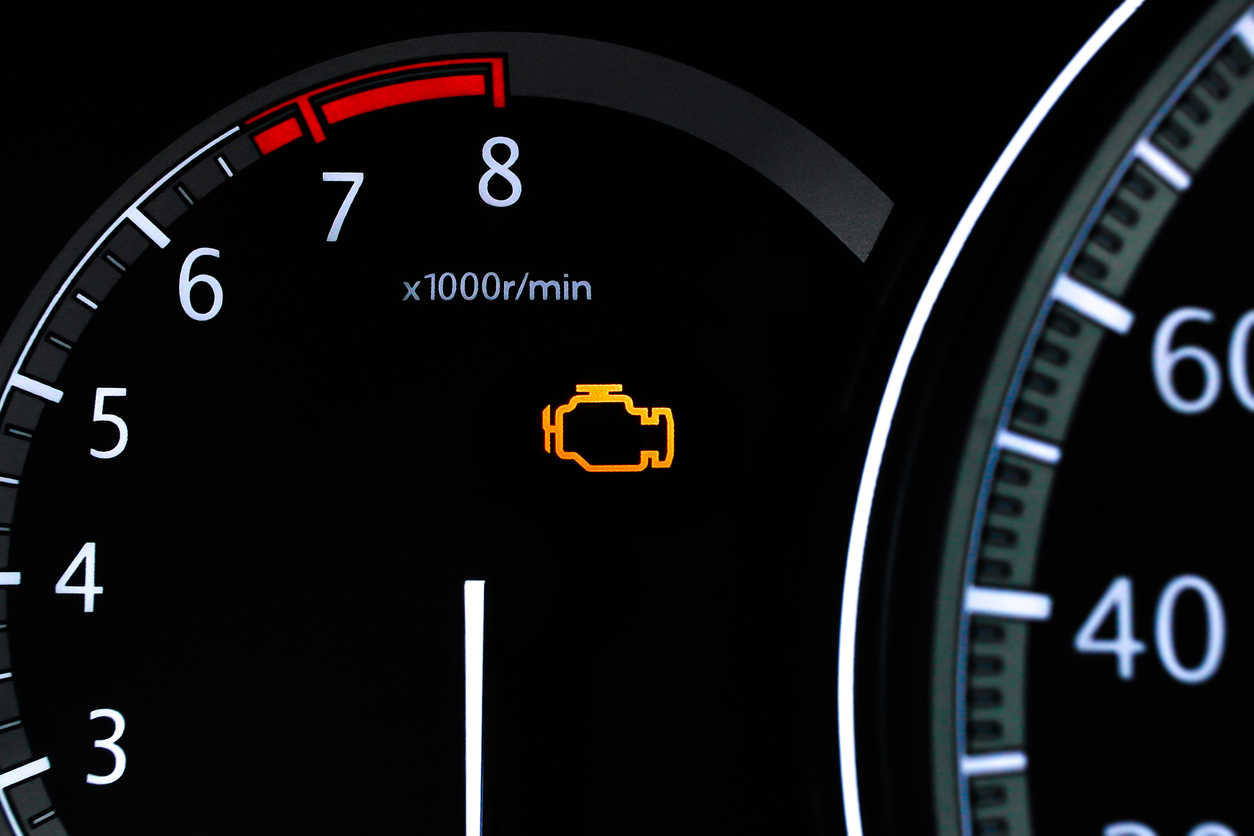
As temperatures begin to drop in Towson, MD, drivers may start noticing changes in the way their vehicles run. One of the most common concerns is the sudden appearance of a check engine light.
Sometimes the issue is minor. Other times, the warning light can point to a problem that should be addressed before colder weather arrives.
At Pars Auto Service, we help Towson drivers diagnose check engine lights and identify problems before they become larger, more expensive repairs.
What Does the Check Engine Light Mean?
Your vehicle’s check engine light is connected to its onboard diagnostic system. When the computer detects something outside of the normal operating range, it stores a diagnostic trouble code and turns on the warning light.
The cause can range from something as simple as a loose gas cap to a more serious engine, emissions, ignition, or fuel-system problem.
The important thing is not to ignore it.
Why Fall Weather Can Reveal Vehicle Problems
Cooler fall temperatures do not necessarily cause every check engine light, but seasonal temperature changes can expose components that are already beginning to wear.
Common examples include:
1. Weak Battery or Electrical Issues
Cold weather can put additional strain on an aging battery. A weak battery or unstable electrical system may contribute to starting problems, voltage fluctuations, or warning lights.
If your vehicle is slow to start on cooler mornings, it may be time to have the battery and charging system tested.
2. Tire Pressure Changes
As outdoor temperatures drop, tire pressure can decrease.
Although this normally activates the tire-pressure warning light rather than the check engine light, it is another important dashboard warning that Towson drivers commonly see during the fall.
Check your tire pressure regularly and follow the recommended pressure listed for your vehicle.
3. Oxygen Sensor Problems
Your oxygen sensors help your vehicle monitor the air-fuel mixture and emissions.
A failing sensor may cause the check engine light to appear and can potentially affect fuel economy and engine performance.
4. Spark Plug or Ignition Problems
Worn spark plugs or ignition coils can cause misfires, rough idling, hesitation, or difficulty starting.
Cooler temperatures may make an existing ignition problem more noticeable.
If the check engine light is flashing rather than staying solid, the vehicle should be inspected promptly because a flashing light can indicate a more serious misfire.
5. Emissions-System Issues
Problems involving the catalytic converter, EVAP system, sensors, or other emissions components can also trigger the check engine light.
Even when your vehicle seems to drive normally, a diagnostic scan can help determine what caused the warning.
Can You Keep Driving With the Check Engine Light On?
It depends on the situation.
A solid check engine light may indicate a problem that needs attention but does not necessarily require you to stop driving immediately.
However, you should schedule a diagnostic inspection instead of continuing to drive indefinitely without knowing the cause.
If the check engine light is flashing, or the vehicle is shaking, losing power, overheating, producing unusual noises, or driving abnormally, it is safer to stop driving and have the vehicle inspected.
Don’t Rely Only on a Code Reader
Many auto-parts stores and inexpensive scanners can provide a diagnostic trouble code, but the code does not always identify the exact part that needs replacement.
For example, a code related to an oxygen sensor may be caused by the sensor itself, wiring, an exhaust leak, or another engine-management problem.
Professional diagnostics allow a technician to investigate the system and determine the actual cause before repairs are made.
Fall Is a Good Time for a Vehicle Inspection
October is also a practical time to prepare your vehicle for the colder months ahead.
While diagnosing a warning light, consider having other important systems inspected, including:
- Battery and charging system
- Brakes
- Tires and tire pressure
- Coolant
- Engine oil
- Windshield wipers
- Heating and defrost system
- Exterior lights
Finding problems during the fall can help reduce the chance of an unexpected breakdown once winter temperatures arrive.
Check Engine Light Diagnosis in Towson, MD
If your check engine light has recently appeared, Pars Auto Service can help determine what is causing it.
Our technicians provide professional vehicle diagnostics and auto repair for drivers throughout Towson and the surrounding Baltimore County area.
Instead of guessing which part may be causing the problem, have your vehicle properly inspected so you know what actually needs attention.
Schedule an appointment with Pars Auto Service at 1511 E Joppa Rd, Towson, MD 21286, or call 410-668-1393.
