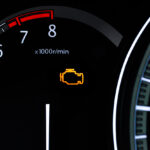
Why Your Car Battery Picks the First Cold Morning to Quit

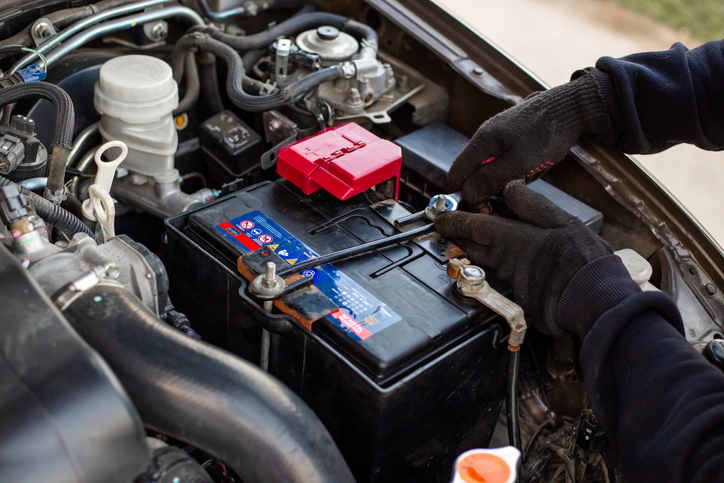
Every year it happens the same way. The first truly cold morning hits Towson, and our phones start ringing before we have even unlocked the front door. Cars that started fine all through October suddenly click, groan, or do nothing at all.
It feels sudden. It almost never is.
We touched on this briefly last month when we looked at why check engine lights show up more in the fall. A weak battery deserves its own post, because it is the single most common reason a Towson driver calls us in November.
Cold Doesn’t Kill a Battery. It Exposes One.
A car battery makes power through a chemical reaction, and that reaction slows down as the temperature drops. At freezing, a battery delivers noticeably less cranking power than it does on a mild day. Meanwhile, cold engine oil is thicker, so the starter has to work harder to turn the engine over.
Less power available, more power needed. A healthy battery handles that gap without complaint. A battery that is already tired cannot, and the first cold morning is when the two finally meet.
That is why a battery that “worked yesterday” can leave you stranded today. It was weak yesterday too. The weather just stopped covering for it.
Warning Signs You Can Catch in Advance
A battery usually gives a few hints before it gives up entirely:
- The engine cranks slower than it used to, especially first thing in the morning
- Headlights dim when you start the car or idle at a light
- The dashboard flickers or a battery warning light appears briefly
- Power windows or the radio act sluggish before the engine is running
- White or bluish crust around the battery terminals
- The battery is more than three or four years old
Any one of these on its own might be nothing. Two or three together in November mean it is time to have the battery tested before you find out the hard way.
It Might Not Be the Battery at All
This is the part a lot of drivers miss. The battery is only one piece of the charging system. The alternator keeps the battery charged while you drive, and the cables, grounds, and connections carry that power where it needs to go.
A failing alternator will slowly drain even a brand-new battery. Corroded terminals can block enough current that a good battery acts like a dead one. We see drivers replace a battery in a parking lot, feel relieved for two weeks, and then end up right back where they started.
A proper charging system test checks all three: the battery’s actual capacity under load, the alternator’s output, and the condition of the connections. That ten-minute test tells you what is really wrong instead of guessing with a part.
Why Foreign Vehicles Need a Little Extra Care Here
On many European and Asian vehicles, the battery is not a simple swap. BMW, Mercedes-Benz, Audi, and a growing number of Japanese and Korean models use a battery management system that has to be told when a new battery is installed. Skip that registration step and the car keeps charging the new battery as if it were the old one, which shortens its life and can trigger electrical faults.
Some models also require a specific battery type, such as an AGM battery, to match the start-stop system. Installing a cheaper conventional battery in that slot works for a while and then fails early.
Our technicians work on these vehicles every day. We install the correct battery type, register it to the vehicle where required, and clear any codes the low-voltage event may have set.
What to Do If It Won’t Start Tomorrow
If the worst happens, here is the short version:
- Turn off everything you can: headlights, heater fan, radio, seat heaters.
- Try the key once more. Repeated attempts drain what little is left.
- A jump start is fine to get moving, but treat it as a ride to the shop, not a fix.
- Do not let the car sit for days hoping it will recover. Deeply discharged batteries rarely bounce back.
Get Ahead of It This Month
The smartest time to test a battery is before the cold, not after the tow. We test batteries and charging systems as part of any service visit, and we will tell you honestly whether yours has another winter in it or not.
Beat the first cold morning. Call Pars Auto Service at 410.668.1393 or stop by 1511 East Joppa Rd, Towson, MD 21286 to have your battery and charging system tested before winter settles in.